

Morocco Rules for Tourists: A Comprehensive Guide
Planning a trip to Morocco? Understanding the Morocco rules for tourists is essential for a smooth and unforgettable journey. This guide covers everything you need to know, from cultural customs and entry requirements to safety tips and more. Whether you’re keen to explore Morocco’s vibrant cities, indulge in its unique cuisine, or discover its breathtaking landscapes, we have all the information to help you plan. For personalized travel assistance and bookings, contact our agency via WhatsApp today to ensure your Moroccan adventure is seamless and enjoyable!
Morocco Rules for Tourists: Entry Requirements
Familiarizing yourself with Morocco’s entry requirements is key to starting your vacation smoothly.
Morocco Rules for Tourists: Visa and Passport
- Citizens from many countries can visit Morocco without a visa for up to 90 days. Be sure to check if your country is on the visa-exempt list, which includes nations like the United States, Canada, and most European countries.
- It’s important to ensure that your passport is valid for at least six months beyond your entry date to avoid any border complications.
- Additionally, carrying proof of your return or onward travel plans, such as a ticket, may be necessary as immigration officers might request this information.
Morocco Rules for Tourists: Health and Vaccinations
- While Morocco doesn’t require any specific vaccinations for entry, it’s a good idea to have your routine vaccinations, such as MMR and DPT, up to date.
- Depending on your travel plans, additional vaccines like hepatitis A, B, and typhoid may be recommended, especially if you plan to visit rural areas or stay for an extended period.
- Make sure to pack any prescription medications and a basic first-aid kit, as not all medications are readily available in Morocco.
Morocco Rules for Tourists: Local Laws and Customs
Respecting local customs is essential for following Morocco rules for tourists and enjoying a smooth visit.
Morocco Rules for Tourists: Dress Code
- As a predominantly Muslim country, Morocco appreciates modest attire, especially for women. Covering shoulders and knees when visiting religious sites is recommended, and long skirts or blouses are ideal.
- For men, lightweight pants and shirts are suitable in most urban settings, as wearing shorts can be considered disrespectful.
- The dress code at beaches and resorts is more relaxed, but it’s still courteous to cover up when leaving poolside areas.
Morocco Rules for Tourists: Photography
- Asking permission before taking photos of people, particularly women, is a sign of respect, as many locals may feel uncomfortable with unsolicited photography.
- Be aware that taking pictures of military or government buildings is prohibited and could cause trouble.
- In busy markets or streets, be discreet with your camera to avoid drawing unwanted attention.
Alcohol Consumption
- Alcohol is available in Morocco but is best consumed in licensed establishments like hotels, bars, and restaurants.
- During Ramadan, even non-Muslims should avoid drinking alcohol in public out of respect for local customs.
Cultural Etiquette
Understanding Moroccan cultural norms will greatly enhance your experience and help you navigate social interactions with ease.
Greetings and Communication
- A warm greeting such as “Salam Alaikum” (peace be upon you) is customary, with the appropriate response being “Wa Alaikum Salam” (and peace be upon you).
- Handshakes are common but should be done with the right hand, as the left hand is traditionally considered unclean. In more traditional settings, men may greet each other with a light kiss on the cheek.
- Learning a few basic phrases in Arabic or French can go a long way and is usually met with appreciation.
Public Behavior
- Public displays of affection are uncommon in Morocco. Holding hands is generally acceptable, but kissing or hugging should be avoided in public settings.
- Sensitive topics like politics or religion should be approached with caution or avoided to prevent misunderstandings.
Safety and Security
Maintaining awareness of safety practices is vital to following Morocco rules for tourists and ensuring a trouble-free trip.
Personal Safety
- Keep your belongings secure, especially in crowded areas where pickpocketing can occur. A money belt or a secure bag is a smart choice.
- Stick to well-lit areas if you’re walking at night, and avoid unfamiliar places. Traveling in groups when possible is a good idea.
- Consider registering with your embassy if you plan an extended stay, as this can provide assistance in case of emergencies.
Transportation Safety
- Always use licensed taxis and confirm the fare before starting your journey. Most taxis in Moroccan cities are metered, but it’s wise to clarify the price.
- If renting a car, familiarize yourself with local driving habits, which can be unpredictable. Road signs are usually in Arabic and French.
- Public transportation is a budget-friendly option, but keep an eye on your belongings at all times.
Money and Currency
Properly managing your finances is an important aspect of adhering to Morocco’s travel guidelines.
Currency and Payments
- The Moroccan Dirham (MAD) is the local currency, and ATMs are widely available in cities and tourist areas.
- While credit cards are generally accepted, it’s advisable to carry cash, especially in rural areas or local markets where card payments might not be possible.
- Currency exchange services can be found at airports, banks, and hotels. Avoid street exchanges as they are both illegal and risky.
Tipping
- Tipping is a common practice in Morocco. In restaurants, leaving around 10% of the bill is appreciated if a service charge hasn’t already been included.
- Keep small change handy for tips in everyday situations, such as baggage handling or small services.
- Tour guides and drivers also expect tips, and a token of appreciation can go a long way.
Top Attractions and Activities
Morocco is brimming with stunning attractions and activities to suit all kinds of travelers.
Exploring Marrakech
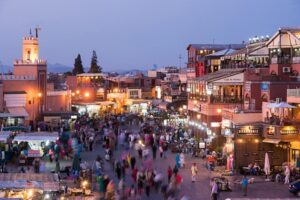
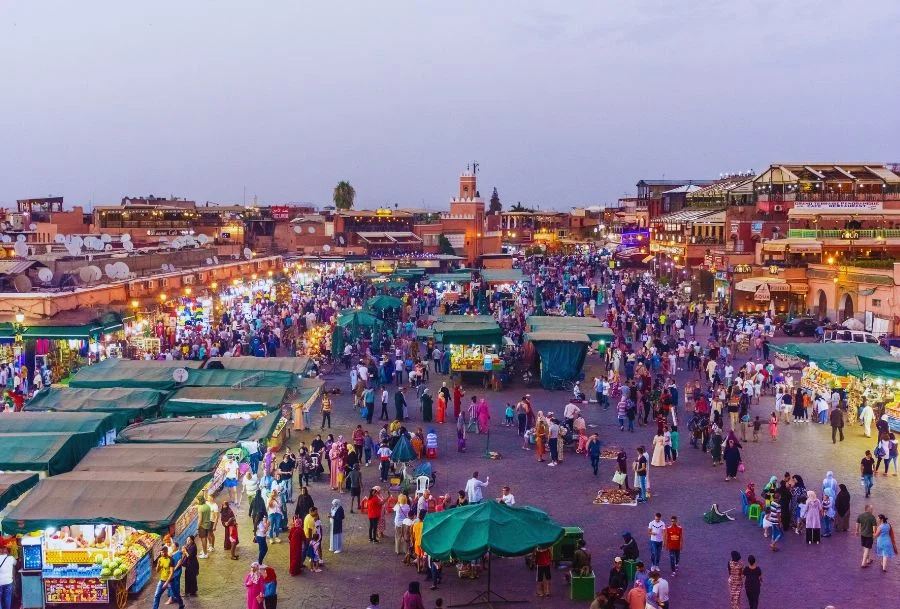
- Marrakech, the Red City, is known for its bustling medina, magnificent palaces, and lush gardens. Be sure to visit the Jardin Majorelle, Bahia Palace, and the lively Jemaa el-Fnaa square.
Discovering Fez
- Fez is Morocco’s oldest imperial city and home to vibrant souks and medieval architecture. Don’t miss a visit to the University of Al Quaraouiyine, the oldest in the world.
Experiencing the Sahara Desert
- A visit to the Sahara Desert is a must. Camel trekking, sleeping under the stars, and witnessing the magnificent sunrise over the dunes are once-in-a-lifetime experiences.
Conclusion
By adhering to these Morocco rules for tourists, you can enjoy a respectful and memorable journey. For more information and to book your Moroccan adventure, visit our website today! Safe travels!