


Introduction to Moroccan Culture and Traditions
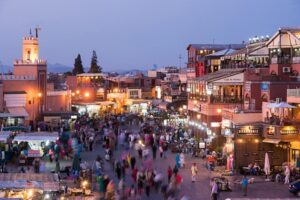
Immerse yourself in the enchanting world of Moroccan culture and traditions, where Arab, Berber, and European influences come together in perfect harmony. From bustling medinas to peaceful desert landscapes, Morocco’s rich cultural tapestry offers an unforgettable experience. Whether it’s discovering local customs, savoring traditional cuisine, or exploring a variety of accommodations, there’s so much to enjoy. Want to make the most of your Moroccan journey? Contact our agency via WhatsApp for all your tourist bookings in Morocco!
The Importance of Family in Moroccan Culture and Traditions
Family lies at the heart of Moroccan culture and traditions, forming the cornerstone of daily life. It’s common for extended families to live under one roof, fostering close relationships across generations. Children are raised with a deep respect for their elders, and family gatherings—like weddings and religious celebrations—are joyful occasions filled with music, dance, and food. These gatherings are not just festive but also play an essential role in strengthening family bonds and passing down cherished values.
Ramadan and Eid al-Fitr
Ramadan is one of the most significant observances in Moroccan culture and traditions. During this holy month, Muslims fast from sunrise to sunset, focusing on spiritual reflection, prayer, and community. As the sun sets, the streets come alive with bustling markets, and families gather to break the fast with traditional meals. The end of Ramadan is marked by Eid al-Fitr, a joyous festival filled with feasting, gift-giving, and heartfelt celebrations. It’s a time for renewal and forgiveness, with festivities that often continue for several days.
The Art of Moroccan Craftsmanship: A Vital Part of Moroccan Culture and Traditions
Traditional Textiles and Clothing
Moroccan artisans are renowned for their exquisite textiles and clothing, showcasing the beauty of Moroccan culture and traditions. Intricate embroidery, luxurious silk, and vibrant brocade fabrics are skillfully crafted in cities like Fez and Marrakech. Berber tribes are famous for their hand-woven rugs and blankets, often featuring bold patterns and vivid colors. The elegant caftan, a hallmark of Moroccan fashion, exemplifies the country’s rich textile heritage and has gained international recognition.
Ceramics and Tilework
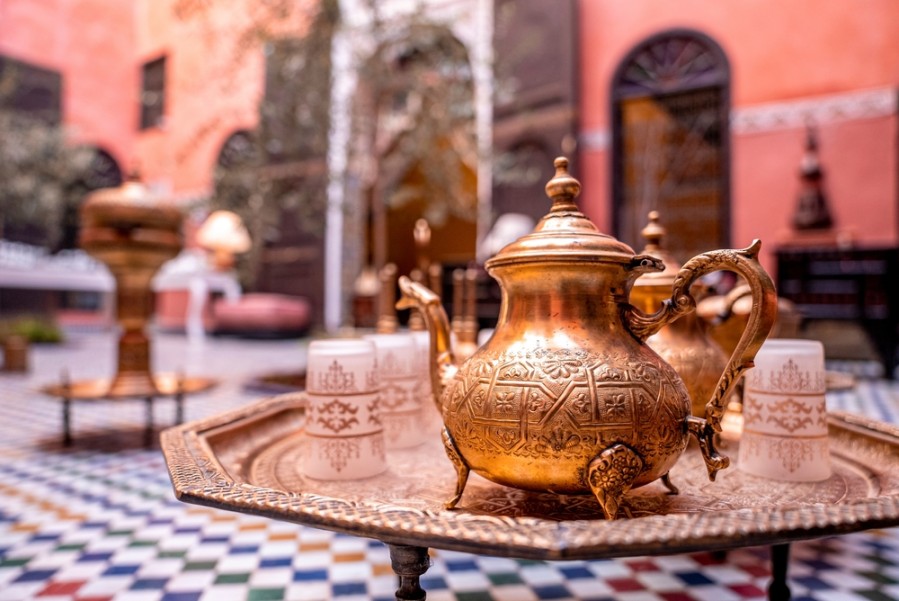
Moroccan ceramics and tilework are celebrated for their craftsmanship, with intricate mosaics adorning mosques, palaces, and homes. Cities like Fez and Safi are renowned for their ceramic artistry, from cobalt-blue pottery to zellige tilework. These pieces are not only decorative but also practical, with items like tagines playing a central role in Moroccan cuisine.
Zellige Tilework
Zellige, a hallmark of Moroccan culture and traditions, involves cutting colored clay tiles into geometric shapes to create stunning patterns. This intricate art can be seen in landmarks like the Saadian Tombs in Marrakech. The process demands precision and patience, resulting in mesmerizing mosaics that add a touch of Moroccan elegance to any space.
Moroccan Cuisine: A Delicious Facet of Moroccan Culture and Traditions
Spices and Flavors
Moroccan cuisine is a feast for the senses, combining bold flavors with aromatic spices that reflect Moroccan culture and traditions. Sweet and savory ingredients are often blended to create dishes with extraordinary depth. Spices like cinnamon, cumin, and saffron, along with fresh herbs such as mint and parsley, infuse every bite with rich flavor. Local ingredients like olives, preserved lemons, dates, and almonds further enrich Moroccan dishes, making the cuisine as diverse as the land itself.
Traditional Dishes
- Tagine: A slow-cooked stew made with meat, vegetables, and fruits, cooked in a clay pot that shares its name. Tagines come in many varieties, such as chicken with olives and lemons or lamb with prunes and almonds.
- Couscous: A light, fluffy grain served with vegetables and meat, often accompanied by a flavorful broth. It’s a staple dish that brings warmth to every Moroccan table.
- Pastilla: A savory-sweet pie filled with shredded chicken or pigeon, almonds, and aromatic spices, wrapped in a crisp pastry shell. This festive dish is a must-try at special celebrations.
Music and Dance: Expressions of Moroccan Culture and Traditions
Music and dance are essential to Moroccan culture and traditions, each region offering unique styles. Berber music is characterized by rhythmic percussion and call-and-response singing, while Chaabi music brings the joy of urban folk melodies. Gnawa music, rooted in West African traditions, features hypnotic rhythms and spiritual chanting, often performed in ceremonies to connect with the divine.
Traditional Dance Forms
- Belly Dance: Known for its sensual movements, this dance emphasizes graceful hip and torso movements and is often performed at celebrations.
- Guedra: A trance-like dance performed by Berber women, believed to carry spiritual significance and healing properties.
- Ahidous: A lively group dance performed during festivals, with participants moving in harmony to the rhythm of drums and communal singing.
Embracing Moroccan Culture and Traditions
Moroccan culture and traditions offer a fascinating blend of art, music, family values, and culinary delights. Whether you’re savoring authentic dishes, exploring the intricate craftsmanship, or enjoying lively music and dance, Morocco invites you to experience its beauty and charm. This dynamic culture is both timeless and evolving, providing endless opportunities to create meaningful memories.
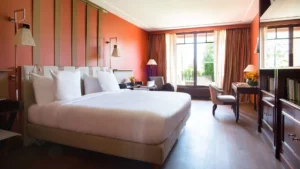
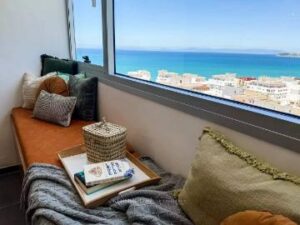
Ready to immerse yourself in Moroccan life? Visit our website to explore our exceptional hotel apartments and book your stay today. Our accommodations combine modern comfort with traditional Moroccan style, offering the perfect base for your journey. Let us help you make unforgettable memories in this enchanting land.